If you are torn between a charming older home and a sleek newer residence in Morristown, you are not alone. This town gives you both a strong sense of history and a more modern, walkable downtown lifestyle, which can make the choice feel exciting and complicated at the same time. The good news is that once you understand how Morristown’s housing stock, planning rules, and lifestyle patterns differ, you can choose with more confidence. Let’s dive in.
Morristown Offers Two Very Different Paths
Morristown stands out because its housing choices reflect the town’s long history and its ongoing redevelopment. It is a compact, transit-oriented community centered on the Green, with downtown condos and apartments, a mixed-use business district, and NJ Transit service to Penn Station in about an hour.
That setting creates a real contrast for buyers. You may find yourself choosing between an older home with period detail and neighborhood character, or a newer property that feels more current and connected to downtown living.
According to Morristown’s 2025 Housing Element and Fair Share Plan, 52.6% of the town’s housing units were built before 1970, and 22.1% were built in 1939 or earlier. Only 0.5% were built in 2020 or later. In other words, truly new housing is limited, which is one reason this decision matters so much in Morristown.
Why Historic Homes Appeal to Buyers
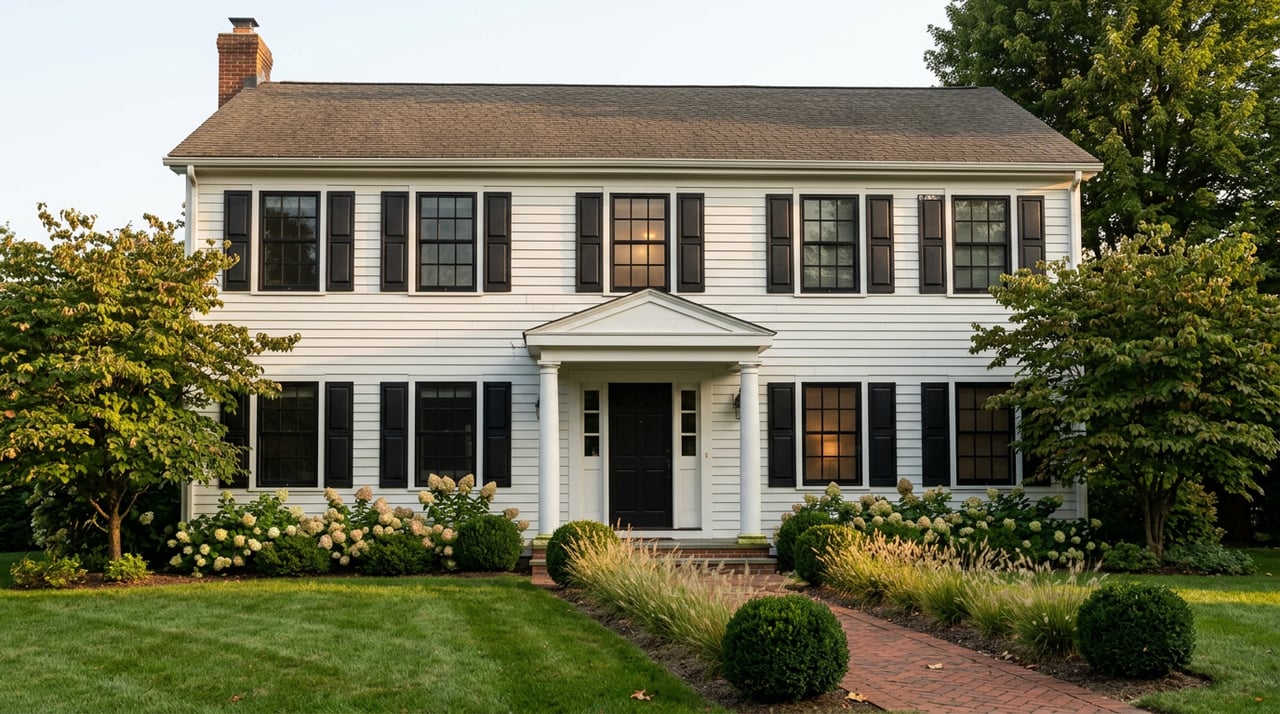
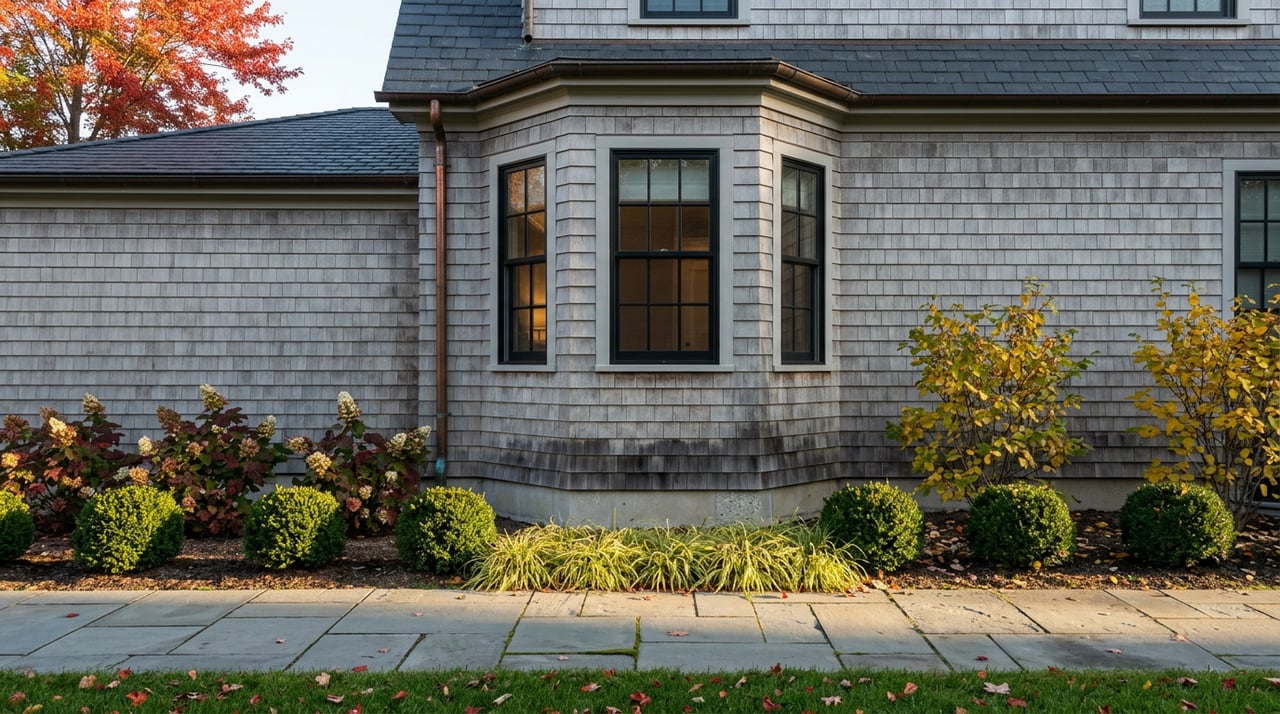
Historic homes in Morristown often attract buyers who want architecture you can feel the moment you walk in. The town’s design guide identifies styles such as Colonial, Greek Revival, Gothic Revival, Richardsonian Romanesque, Colonial Revival, Queen Anne, Shingle, and Craftsman/Prairie.
Many of these homes date to the 19th and 20th centuries, and the historic district includes many Victorian-era houses. If you value original detail, distinct facades, and a stronger sense of place, an older Morristown home can be very appealing.
Another draw is that older homes often sit within areas that reflect the town’s established identity. Morristown’s planning documents note that the Historic District Overlay is meant to preserve and promote areas with architecturally and historically significant structures.
What historic layout can feel like
Historic homes do not always live like modern homes. Morristown’s design guide describes early colonial plans as simple one- or two-room layouts with central chimneys, later four-square homes with a central hall, and other older forms that evolved over time.
For you, that can mean more defined rooms and a less open floor plan. Some buyers love that separation and privacy, while others prefer the larger, more flexible spaces often found in newer homes.
What to expect with updates
If you are considering renovations, historic homes require a more thoughtful approach. Preservation standards emphasize ongoing maintenance and repair over extensive replacement, though upgrades to mechanical, electrical, plumbing, and other code-related systems can still be appropriate.
That means you should not assume an older home is frozen in time. Many historic properties can be updated for comfort, sustainability, energy efficiency, and resilience while still preserving their character.
What to Know Before Buying Historic
In Morristown, older homes can come with extra review steps depending on the property. The Historic Preservation Commission is involved when properties are in historic districts, on historic sites, or are buildings built 50 years before an application, and the town encourages owners of 50-plus-year-old buildings or properties in historic neighborhoods to discuss plans early.
This matters most if you expect to change the exterior. Exterior projects may face a stronger preservation lens, so it is smart to understand that process before you buy rather than after you move in.
Lead paint is a real consideration
Because many Morristown homes were built before 1978, lead-based paint rules can come into play. The EPA states that residential lead-based paint was banned in 1978, and renovation work in pre-1978 housing can create hazardous dust.
If paid work will disturb paint in a pre-1978 home, lead-safe certification is required. For you as a buyer, that makes renovation planning, contractor selection, and budgeting especially important when comparing an older home to a newer one.
A quick historic-home checklist
Before you move forward on an older Morristown property, ask:
- Is the home in a historic district?
- Is the building more than 50 years old?
- Will planned exterior work involve Historic Preservation Commission review?
- Are lead-based paint disclosures relevant?
- Have system upgrades been done in a way that preserved the home’s character?
Why Newer Homes Attract Buyers
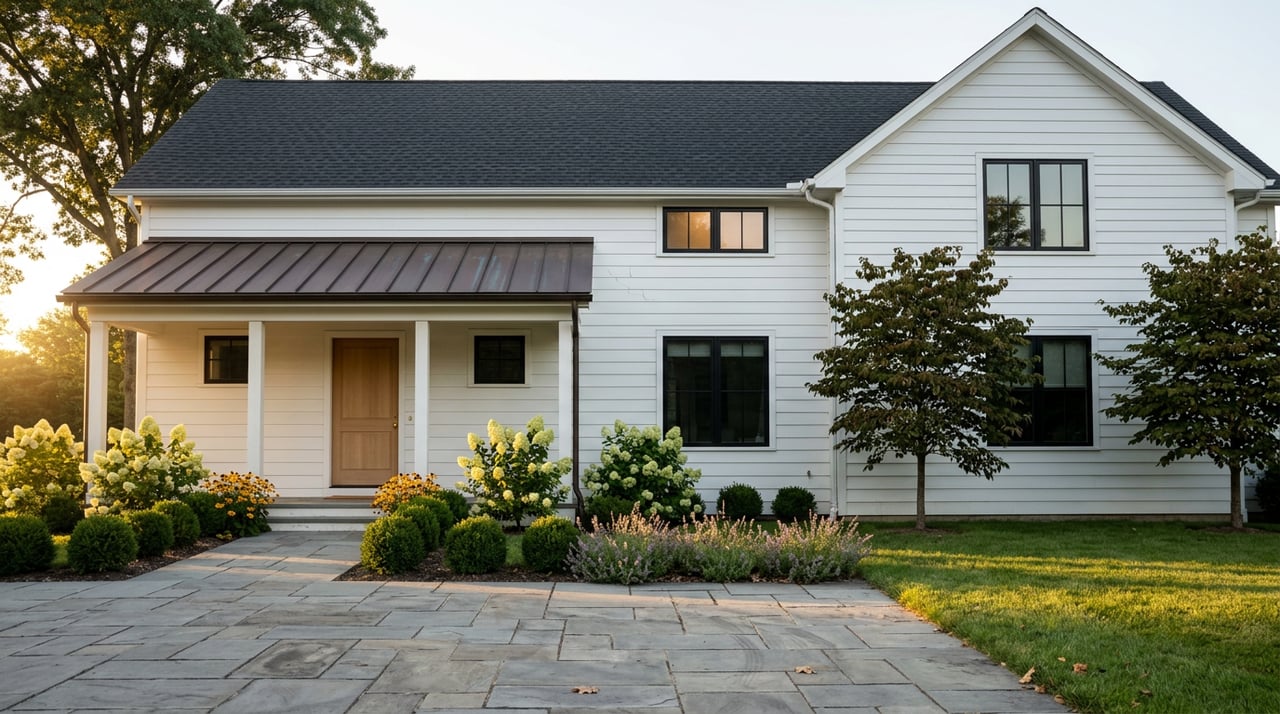
Newer homes in Morristown tend to appeal to buyers who want a more contemporary lifestyle with fewer unknowns. In this market, newer housing is shaped more by redevelopment than by large suburban subdivisions.
Morristown’s planning materials describe downtown development as a mix of pre-war structures, urban-renewal towers, and modern mixed-use redevelopment. They also show that newer housing often appears as condos, apartments, town-center infill, or other attached forms rather than large-lot detached houses.
If you want a home that feels closely tied to restaurants, retail, parking, walkability, and train access, newer Morristown housing may line up well with your priorities. The town specifically highlights these downtown advantages, along with the one-hour train connection to Manhattan.
What modern housing often offers
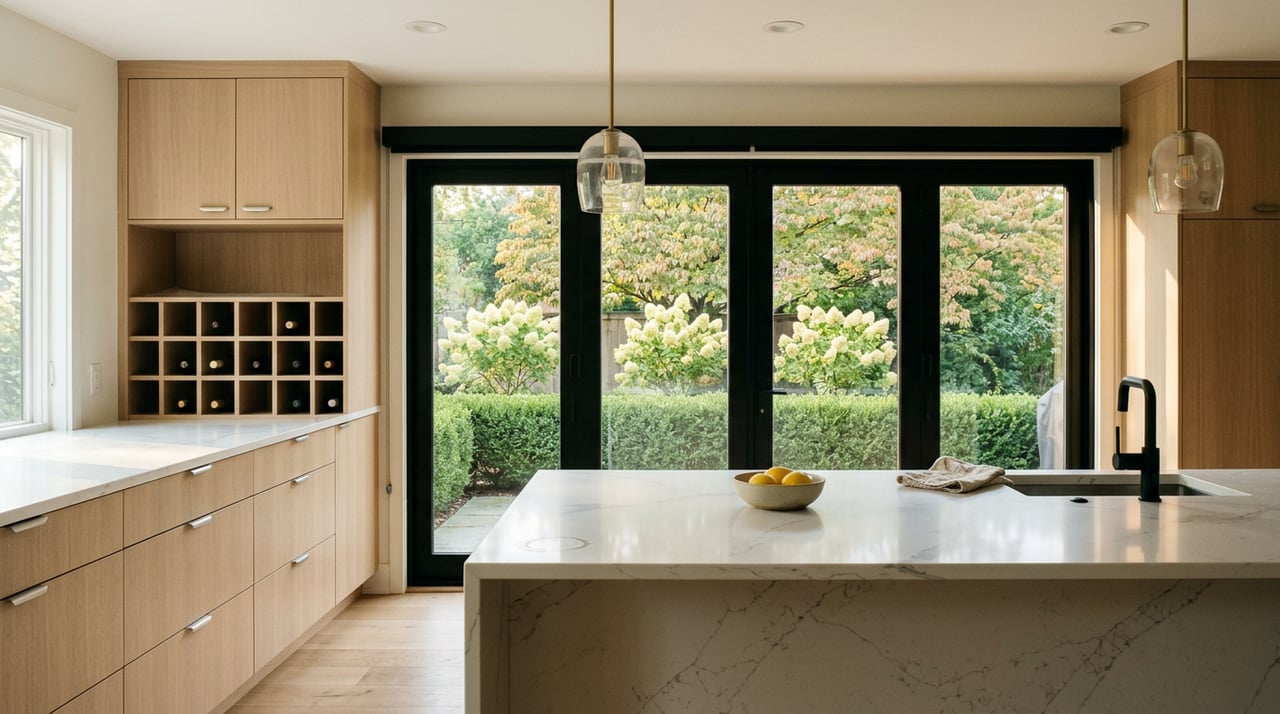
A newer home often gives you a more contemporary layout and a housing type already aligned with current redevelopment standards. That can feel simpler if you prefer more predictable rules around design and construction.
You may also find that newer homes better match the expectations of buyers who want lower-maintenance living near the center of town. In Morristown, this can be especially attractive if your daily routine depends on commuting, dining out, or being able to walk to amenities.
The Tradeoff in Morristown’s Newer Inventory
Newer does not always mean detached, spacious, or widely available. Since only a very small share of Morristown’s housing stock was built in 2020 or later, supply is limited.
The town’s redevelopment plans also emphasize human-scaled development near the Green and transit, with height step-downs to stay compatible with the surrounding historic fabric. In practice, that means much of the newer product may feel more urban and attached than suburban and spread out.
For some buyers, that is a plus. For others, especially those focused on a classic single-family experience, it can make older housing the stronger fit.
How to Decide What Fits You Best
The right choice usually comes down to how you want to live, not just what looks best online. Morristown offers both character-rich historic homes and more modern, convenience-driven housing, but each path comes with different expectations.
If you are comparing options, focus on these questions:
- Do you want original architectural detail or a more contemporary finish?
- Are you comfortable with maintenance and preservation-sensitive updates?
- Do you prefer defined rooms or a more modern layout?
- Is walkable, downtown living a top priority?
- Are you open to attached housing if it gives you a newer product?
- Will future renovation plans affect your decision?
Historic homes may suit you if
Historic Morristown homes often make sense if you value:
- Period details and distinctive architecture
- A stronger sense of neighborhood identity
- Older established streetscapes
- The experience of maintaining and improving a home with character
Newer homes may suit you if
Newer Morristown homes often make sense if you value:
- A more current layout and lifestyle
- Easier access to downtown amenities
- Transit convenience
- A housing type shaped by current planning and redevelopment standards
Price Context Matters Too
Morristown’s 2025 Housing Element and Fair Share Plan reports a median owner-occupied value of $552,800. That helps explain why buyers here often weigh tradeoffs carefully instead of assuming one style is automatically better.
When inventory is limited, your decision is usually about fit, future plans, and total ownership experience. A historic home may offer irreplaceable character, while a newer home may offer convenience and a more contemporary setup.
A Smart Morristown Buying Strategy
In Morristown, the best move is to compare homes through both a lifestyle lens and a due diligence lens. It is not just about whether you love old homes or modern design. It is about how the property lines up with your renovation goals, commute, preferred layout, and comfort with local review processes.
That is where local market knowledge makes a real difference. If you are weighing a Victorian-era home near the historic core against a newer downtown condo or infill property, a clear side-by-side strategy can help you avoid surprises and move forward with confidence.
Whether you are drawn to timeless architecture or a more modern, low-maintenance feel, working with an agent who understands Morristown’s housing mix can make the decision much easier. If you want guidance tailored to your goals, connect with Michael Gabriel for informed, concierge-level support in Morristown and across Northern New Jersey.
FAQs
What makes historic homes in Morristown different from newer homes?
- Historic homes in Morristown often offer period architecture, more defined room layouts, and stronger ties to the town’s historic character, while newer homes are more likely to reflect redevelopment patterns, contemporary living, and walkable access to downtown amenities.
Are many homes in Morristown actually new construction?
- No. Morristown’s 2025 Housing Element and Fair Share Plan says only 0.5% of housing units were built in 2020 or later, so truly new housing is limited.
Do older Morristown homes face renovation restrictions?
- They can. If a property is in a historic district, on a historic site, or involves a building that is 50 years old before an application, the Historic Preservation Commission may be involved, especially for exterior changes.
Should buyers worry about lead paint in Morristown historic homes?
- It is an important issue to check because many older homes were built before 1978, when residential lead-based paint was banned, and renovation work in those homes can create hazardous dust if not handled properly.
Are newer homes in Morristown usually single-family houses?
- Often, no. Based on Morristown planning materials, newer housing commonly appears as condos, apartments, town-center infill, or other attached forms rather than large-lot detached houses.
How should you choose between a historic and modern home in Morristown?
- Start with your lifestyle, layout preferences, maintenance comfort level, renovation plans, and desire for downtown access, then compare each property with those priorities in mind.