Thinking about crossing the river for more space, quieter streets, and a streamlined commute to Manhattan? If Summit, NJ is on your shortlist, you are looking in one of North Jersey’s most competitive luxury suburbs. You want clarity on prices, jumbo financing, older-home inspections, and how to win the right property without avoidable risk. This guide brings you up to speed so you can buy with confidence. Let’s dive in.
Why Summit appeals to first-time luxury buyers
Summit blends small-city convenience with an easy rail commute. NJ Transit’s Midtown Direct service from Summit Station puts you on trains to New York, and homes near the station often carry a premium for that convenience. The downtown core offers shopping and dining, while tree-lined residential streets deliver privacy and classic suburban curb appeal.
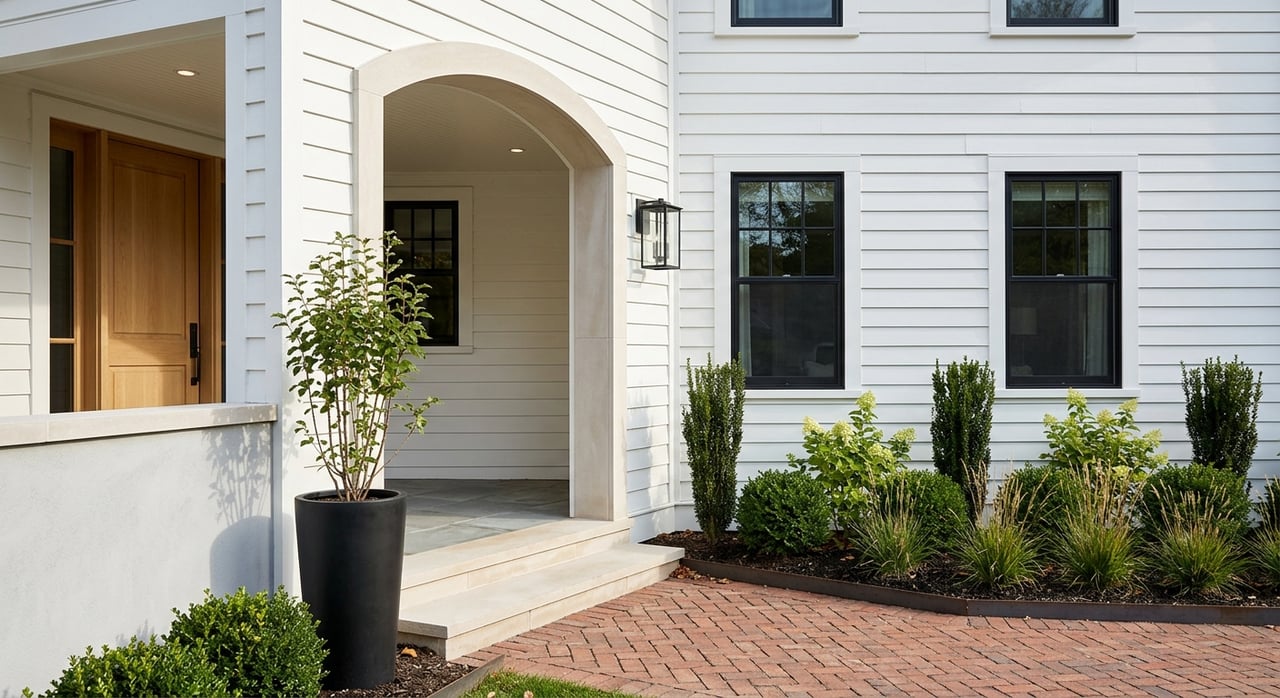
You also get established neighborhoods with architecturally distinct homes. Many properties are older, with styles that include Colonial, Tudor, and Victorian, plus larger mid-century and newer builds. Buyers value lot size, walkability to town and train, and access to well-regarded public schools.
What counts as luxury in Summit today
As of early 2026, public market snapshots place Summit’s pricing well above regional medians. Recent reports show a wide range depending on the source and timing. For example, some summaries list a median sale price around the upper 1 to low 2 million range, while a smoothed “typical value” index shows lower. The takeaway is simple: set expectations near or above the 1.3 to 2.0 million range for many single-family homes and verify current numbers with your agent before you tour.
Inventory is tight, and desirable listings can attract multiple offers. That means you need strong preparation, clean financing evidence, smart contingencies, and realistic pricing. Your final strategy should match the property’s condition, uniqueness, and location within Summit’s micro-markets.
Micro-market notes
- Walk-to-station homes and downtown-proximate blocks typically carry price premiums.
- Larger lots and custom renovations often trade above townwide medians.
- Unique or historic homes can be hard to price with limited comparable sales; plan for appraisal strategy if you pursue one.
How to finance a Summit luxury purchase
Many Summit purchases sit above the national conforming loan limit. The Federal Housing Finance Agency set the 2026 baseline at $832,750. Because many local sale prices exceed that level, you will likely evaluate jumbo or high-balance options. Always confirm the exact Union County conforming limit on the FHFA’s announcement page and check live rates with your lender.
Jumbo lending basics
Jumbo underwriting differs from conforming loans and often comes with tighter requirements. According to industry guidance summarized by Bankrate’s jumbo overview, you should expect:
- Higher down payment expectations, commonly 10 to 20 percent for many programs.
- Strong credit scores and a conservative debt-to-income profile.
- Cash reserves measured in months of payments, especially at higher loan amounts.
Some well-qualified buyers may access lower down payment options or use portfolio and non-QM programs, which can help with complex income or asset profiles. Lender terms vary, so get a full pre-approval and ask your loan officer to spell out reserves, maximum purchase price, and timing before you tour.
Older-home due diligence that protects you
Summit has many beautiful older homes. That charm can come with hidden maintenance, so plan targeted inspections and budget accordingly. A focused approach reduces surprises and gives you leverage if issues appear.
Common issues to watch
- Electrical: Older wiring types or undersized panels can trigger insurance headaches and upgrade costs.
- Plumbing and sewer lines: Many older homes have cast iron or clay laterals that can crack or sag. A sewer-camera scope is a smart add-on for pre-1980 homes.
- Fuel and environmental: Ask about any history of oil heat and confirm whether a buried tank exists. An oil-tank sweep can prevent expensive surprises.
- Roofs, chimneys, and masonry: Slate roofs, aging flashing, and unlined chimneys need specialist evaluation. Bring a roofer and chimney pro if your general inspector flags concerns.
- Lead-based paint: For pre-1978 homes, federal law requires disclosure, the EPA pamphlet, and offers a 10-day inspection period. Review the EPA’s guidance on lead disclosure and ask for any records.
- Radon and wood-destroying insects: These are property dependent. Add tests if your inspector recommends them.
Tour and contract checklist
- Ask for ages of major systems and permit history for renovations.
- Confirm municipal sewer versus septic and schedule a sewer scope if the line is older.
- Request recent tax bills and check Union County trends, since annual property taxes are a meaningful cost. A local overview of trends is summarized in this Union County property tax report.
- If the home is pre-1978, request lead records and the EPA pamphlet.
- If inspection issues appear, obtain contractor quotes to support credits, repairs, or an escrow hold at closing.
Smart offer strategy in a competitive market
You will likely compete. Prepare a complete, clean package before you step into a multiple-offer situation.
Pre-offer prep
- Get a full mortgage pre-approval that clearly covers your target price range and, for jumbo, any reserve requirements.
- Decide which inspection add-ons are nonnegotiable, such as sewer scope and chimney review, and line up vendors to move fast during your window.
- Have proof of funds ready if you are adding a cash component.
Terms sellers value
- Strong price with clean financing evidence and a meaningful earnest-money deposit.
- Flexible settlement date that aligns with the seller’s timeline.
- Smart contingencies: You can keep inspection protections while focusing on high-risk items. If the home is older, do not waive inspections. If appraisal risk is likely, consider a limited appraisal-gap clause that fits your comfort level and lender guidance.
Understand New Jersey attorney review
After your offer is accepted, New Jersey contracts enter a formal attorney review period, commonly three business days. During this time, attorneys can approve, modify, or disapprove the contract. The agreement becomes fully binding once attorney review concludes. For a plain-English overview, see this explanation of New Jersey’s attorney review process.
Timeline to closing and move-in
Plan on a 30 to 60 day window after attorney review. Jumbo underwriting and unique property features can add time, so build flexibility into your schedule. If you need to move quickly, discuss options like an all-cash offer or a short seller rent-back if the seller needs extra time.
Schools and new-resident resources
Public schools are a common driver for Summit buyers. Summit High School is consistently ranked among top performers in New Jersey. You can review data on a neutral third-party site through SchoolDigger’s Summit High School page. New to town logistics and services are outlined on the City of Summit’s new resident page.
Next steps
- Clarify your price range and confirm whether your target will require jumbo financing. Check the current baseline and county limits on the FHFA site.
- Align your commute and lifestyle goals with Summit’s micro-markets. Proximity to Summit Station and downtown often matters for resale.
- Build an inspection plan that fits the age and condition of the homes you like.
If you want a calm, step-by-step process from search to closing, reach out to Michael Gabriel. You will get local insight, clear negotiation strategy, and a concierge-level experience focused on your goals.
FAQs
What is the price range for luxury homes in Summit in 2026?
- As of early 2026, many single-family homes trade from the mid-1 millions into the low 2 millions. Confirm live pricing with your agent since inventory and medians shift month to month.
Will I need a jumbo loan to buy in Summit?
- Often yes. The 2026 baseline conforming limit is $832,750, and many Summit homes sell above that amount, so you should discuss jumbo or high-balance options with your lender and confirm county-specific limits on the FHFA site.
Which inspections are most important for older Summit homes?
- A general home inspection plus a sewer-camera scope, targeted electrical and chimney reviews, and radon and WDI tests where advised. For pre-1978 homes, review the EPA lead disclosure and consider a lead assessment.
How competitive are offers in Summit?
- Well-located and well-priced homes often draw multiple offers. To compete, secure a strong pre-approval, be realistic on price, keep smart inspections, and consider flexible terms that reduce seller uncertainty.
What is the New Jersey attorney review period?
- After an offer is accepted, attorneys typically have three business days to review, approve, modify, or disapprove the contract. The deal becomes binding once attorney review concludes.