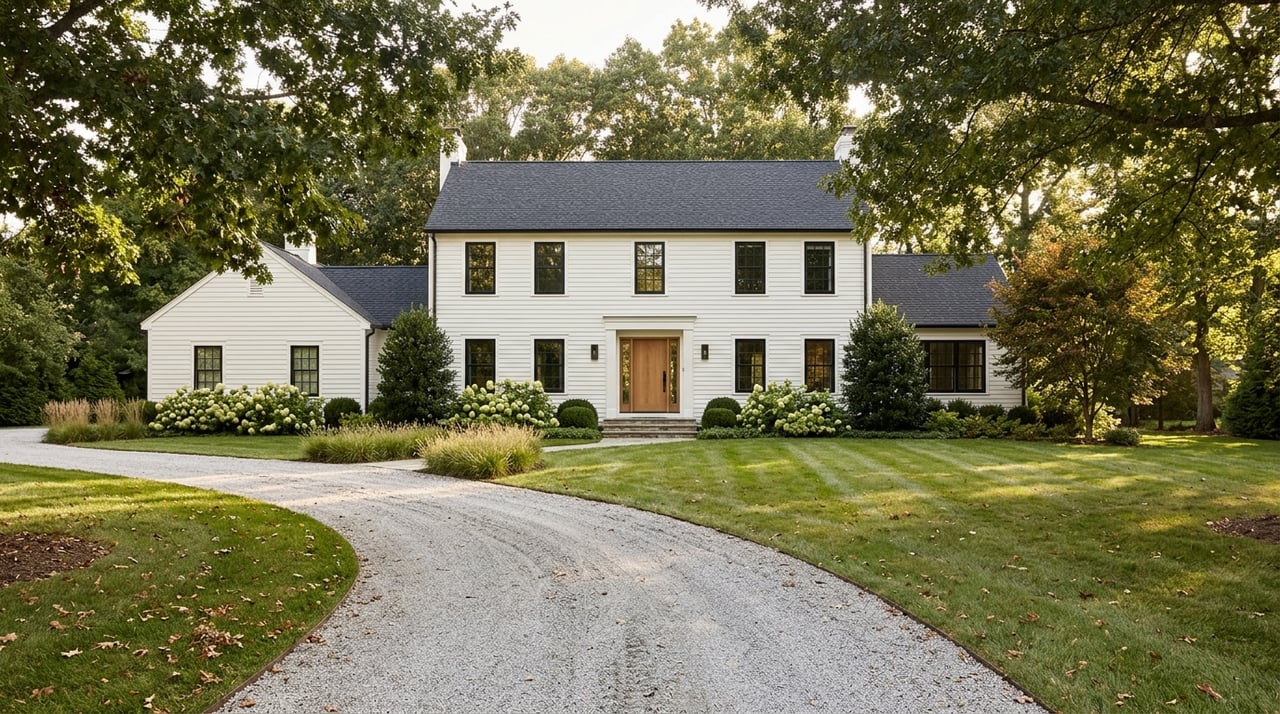
Thinking about selling your Montville home on acreage? You already know land is a big part of the story, but the details can feel overwhelming. Between zoning, Highlands rules, septic and well requirements, and buyer expectations, there is a lot to manage. In this guide, you’ll learn what matters most, how to prepare, and how to position your property for a smooth sale and strong results. Let’s dive in.
Why acreage in Montville stands out
Montville blends suburban comfort with rural feel, and larger lots are a draw for privacy, views, and lifestyle. Much of the township sits within New Jersey’s Highlands planning and preservation areas, which prioritize open space and natural resources. Those protections help keep the area attractive while adding steps for owners who plan to subdivide or expand. Recent market snapshots show single-family prices in the high six to low seven figures, with multi-acre estates trading at a premium based on land usability and improvements.
Value drivers to focus on
Not all acres are equal. Buyers and appraisers look beyond total size to what is usable and permitted.
- Usable, buildable acres after accounting for wetlands, steep slopes, and easements.
- Zoning entitlements, including allowed density and minimum lot size.
- Septic and well suitability, confirmed by soil tests and water testing.
- Road frontage and driveway access, including any permits or easements.
- Existing amenities such as barns, arenas, trails, or water features.
- Proximity to commuter options like Towaco’s NJ Transit station and major highways.
For complex properties, appraisers often use sales comparison or subdivision and residual analyses to separate land value from improvements. You can review how these methods work in this overview from the Appraisal Institute on valuing land and subdivisions.
Zoning basics: lot size and yield
Your zoning district sets the baseline for lot size and what can be created through subdivision. Montville’s Schedule D outlines minimum lot areas for common large-lot residential zones such as R-120, R-80, and R-43. As a quick reference, 43,560 square feet equals 1 acre. In Montville’s code:
- R-120 requires 120,000 square feet, which is about 2.75 acres per lot.
- R-80 requires 80,000 square feet, which is about 1.84 acres per lot.
- R-43 requires 43,750 square feet, which is about 1 acre per lot.
You can confirm standards in Montville’s Schedule D, Area and Bulk Requirements. These numbers drive whether a split is possible without variances and whether a lot is already undersized for its zone.
Highlands area: added layers of review
Significant portions of Montville lie within the Highlands Planning or Preservation Area. In the Preservation Area, certain projects may qualify as major Highlands development and can trigger state-level review focused on water resources, wastewater, and environmental protection. This can change subdivision yield or design and adds steps beyond local approvals. Review the Highlands Preservation Area Master Plan Element for context and discuss how it applies to your parcel before you invest in plans.
Subdivision process at a glance
If you plan to split your land, be prepared for a structured planning process. Montville’s Planning Board handles sketch, preliminary, and final approvals, with checklists that typically include a boundary survey, soil and percolation tests, and wetlands delineations. Depending on your zone and constraints, you may explore cluster or conservation layouts. Start with a feasibility exercise, then confirm requirements with the Montville Planning Board.
Infrastructure and environmental checks
Private wells and the PWTA
New Jersey’s Private Well Testing Act requires raw well water testing in many real estate transfers. Results must be provided to both buyer and seller before closing. Common parameters include arsenic, nitrates, and VOCs. Get familiar with required panels by reviewing the NJDEP PWTA testing overview, and consider pre-testing to avoid surprises.
What to gather:
- Well completion log and pump yield info.
- Most recent PWTA or other lab reports.
- Documentation for any treatment systems and maintenance schedule.
Septic systems: soils, percs, and permits
Septic system design and approvals follow state standards under N.J.A.C. 7:9A and are administered locally by Boards of Health. Older or noncompliant systems, such as cesspools, often require repair or replacement. Start early with soil logs and percolation tests, and collect your permits, as-builts, and pumping records. For the regulatory framework, see the New Jersey septic system standards summary.
Wetlands, streams, and steep slopes
Freshwater wetlands and state flood hazard areas are regulated by NJDEP. Many subdivisions or disturbance changes will require a formal wetlands delineation and potentially a Letter of Interpretation, plus permits or transition-area waivers. To understand the basics, review the Freshwater Wetlands Protection Rules summary. If part of your property lies in the Highlands Preservation Area, expect the Highlands context to shape both yield and site design.
Access and driveways
Estate properties often include long driveways or private roads. Confirm legal access, sight distance, and any curb cut or driveway permitting needs early. Montville publishes a helpful reference on specifications. See the township’s Driveways guidance and collect any recorded road maintenance agreements.
Subdivide or sell as one estate?
Both paths can work. Subdividing can unlock value if the new lots are supportable and the cost and time to create them are less than the added value. Costs may include surveying, engineering, soil and perc testing, wetlands work, application and legal fees, and potential road or drainage upgrades. If timing or constraints make subdivision less attractive, marketing the whole estate to privacy-seeking buyers can be a strong alternative.
A simple feasibility check usually includes:
- A current boundary survey.
- Soils and perc testing to establish septic viability.
- A wetlands delineation and, if needed, an NJDEP LOI.
- A rough yield plan based on your zoning district’s minimums.
Work with the Montville Planning Board to understand timeline and submittal expectations before committing.
Your pre-listing checklist for acreage
Save or print this list. Sharing these items up front builds buyer confidence and speeds negotiations.
- Current deed and full title history, including any easements or restrictions.
- Boundary survey, ideally recent and certified.
- Zoning confirmation with tax block and lot, plus the district’s minimums from Schedule D.
- Recent tax bill and assessment card; note any farmland assessment or preserved-land restrictions. Check the Morris County Farmland Preservation Program if applicable.
- Septic documents: permits, as-built, soil and perc tests, tank info, pumping receipts, and O&M records for advanced systems. See the state standards summary for context.
- Well documents: well log, most recent PWTA-required testing overview, pump yield, and any treatment records.
- Environmental mapping: building envelopes, septic reserve area, wetlands delineation and any NJDEP LOI or permits.
- Access: driveway permits, private road agreements, and the township Driveways guidance.
- Any conservation, open space, or farmland easements with recorded restrictions.
- As-builts and permits for major outbuildings and utility upgrades.
- Required disclosures, including federal lead-based paint for pre-1978 homes, plus a list of included and excluded items.
Marketing acreage the right way
Buyers of land-rich properties want to understand the layout, access, and lifestyle at a glance. Invest in clear visuals and details that highlight what makes your property usable and special.
- Commission high-quality aerial photography that shows the home, fields, woods, and neighbors at an appropriate distance.
- Provide labeled maps that mark the building envelope, driveway, trails, water features, and nearby preserved lands or parks.
- Call out improvements such as barns, fenced pastures, arenas, guest spaces, or utility enhancements.
- Be transparent about zoning, minimum lot size, and any Highlands or wetlands constraints to set accurate expectations.
Timeline and what to expect
Basic pre-listing steps such as a fresh survey, septic pump, and PWTA well test usually take a few weeks. Subdivision applications, Highlands review, and wetlands coordination can add several months and require professional design and engineering. For exact timing, fees, and submittals, confirm with the Montville Planning Board and the Township Engineer or Board of Health.
When you are ready to sell, a clear plan, complete documentation, and skilled marketing will help you capture maximum value while avoiding surprises. If you would like an experienced partner to guide pricing, preparation, and presentation, connect with Michael Gabriel for a focused, concierge-level strategy.
FAQs
Do I have to fix my septic before selling a Montville home?
- Not always, but a failing or noncompliant system can affect marketability and financing, and local health officials may require repair or replacement. Review the state septic standards summary and consult the Board of Health early.
Will my buyer be required to test the well in New Jersey?
- In many transfers involving a private well, New Jersey’s Private Well Testing Act requires raw water testing and reporting to both parties before closing, so many sellers pre-test.
Should I subdivide my Montville acreage or sell it as one estate?
- Run a feasibility study that compares after-cost proceeds from subdivision against a whole-estate sale, factoring in Highlands and wetlands constraints and likely market demand; the Appraisal Institute overview explains common valuation approaches.
What documents should I provide buyers when selling acreage in Montville?
- Share your survey, septic and well records, deed and any easements, zoning confirmation with Schedule D minimums, any wetlands LOI or permits, driveway permits or agreements, and standard disclosures; see Montville’s Driveways guidance for access specifics.