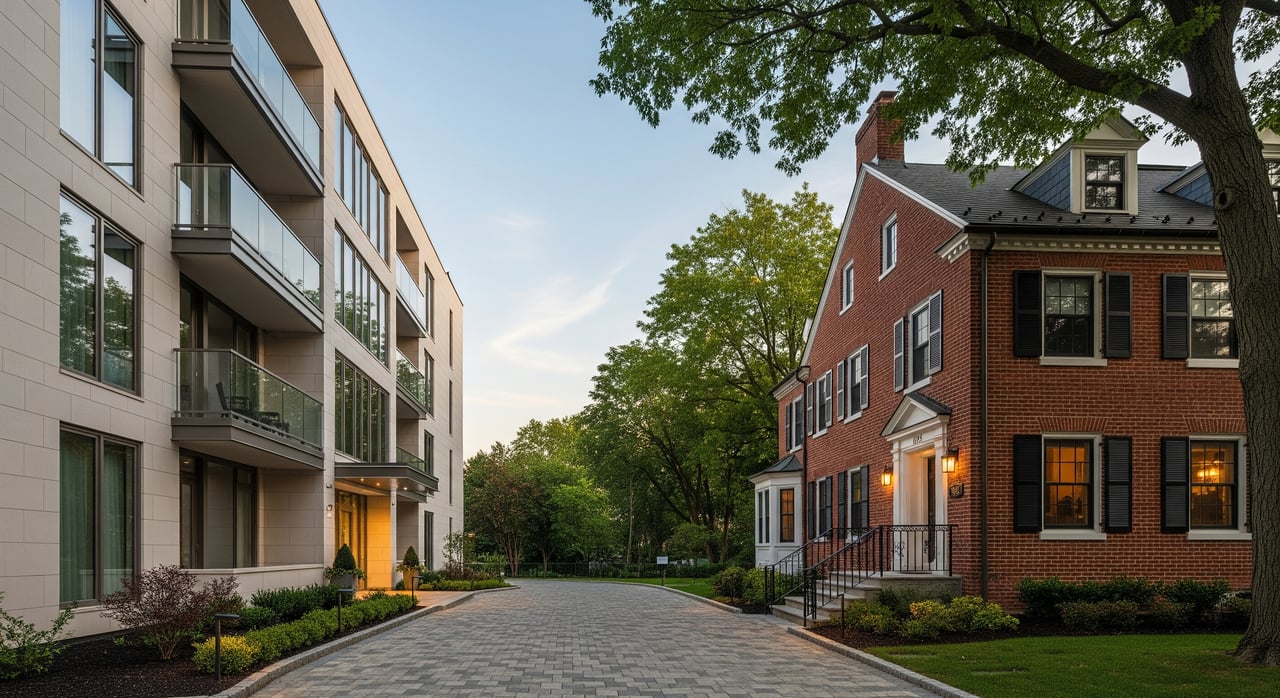
Torn between a low‑maintenance condo near downtown Morristown and a single‑family home with a yard in Morris County? You are not alone. The right choice comes down to how you want to live, what you want to spend each month, and how you plan to use the property over time. This guide walks you through the tradeoffs that matter in Morristown so you can compare options with clarity. Let’s dive in.
What fits your lifestyle
Maintenance and chores
Single‑family homes put you in charge of exterior upkeep, roof, driveway, landscaping, snow removal, and most repairs. A common rule of thumb is to budget roughly 1 to 3 percent of the home’s value per year for maintenance, though actual costs vary by age, systems, and lot size. In Morristown, many older homes may require more ongoing care. Condos and townhomes shift many exterior and common‑area costs to the association through monthly HOA fees, which can simplify your routine but add a fixed expense.
Outdoor space and privacy
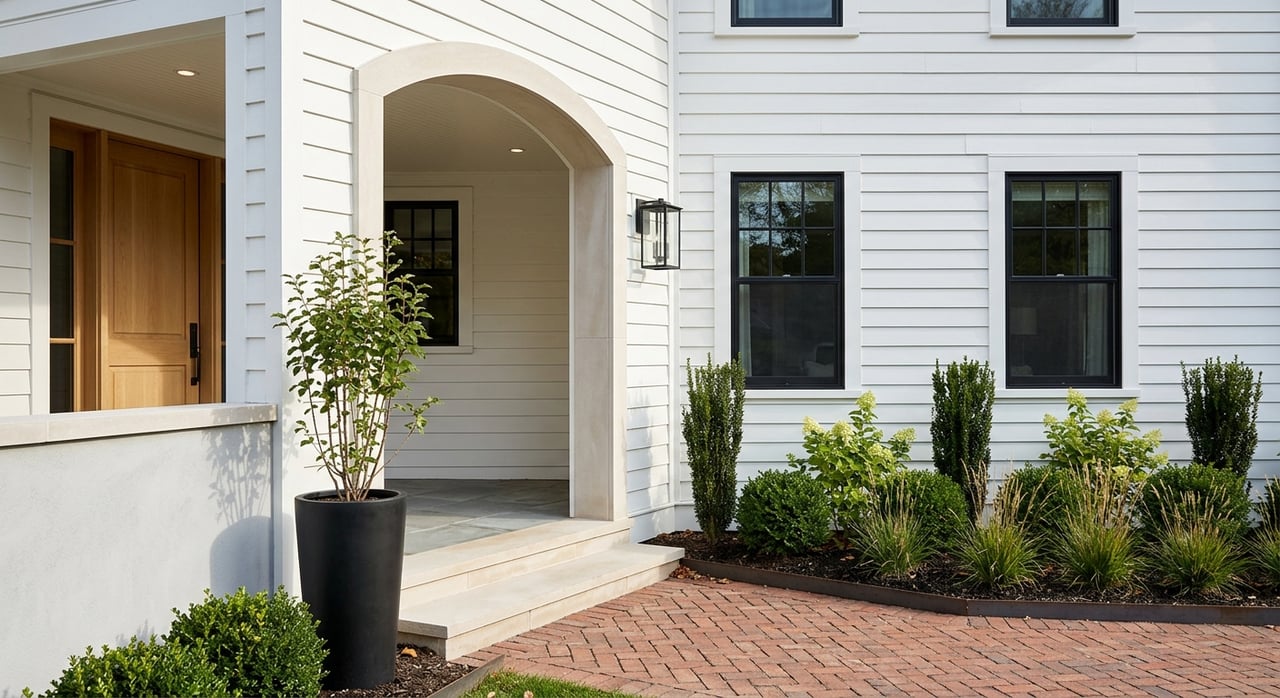
If you want a private yard for gardening, pets, or outdoor entertaining, a single‑family home usually fits best. You also keep more flexibility for additions or outbuildings, subject to local permits. Condos and townhomes often offer balconies, small patios, or shared green spaces. That tradeoff is attractive if you want low yard work and appreciate shared amenities.
Walkability and convenience
Many Morristown condos sit close to restaurants, shops, the Morristown Green, and commuter rail on the Morris and Essex Line. You can often walk to errands and transit. Single‑family neighborhoods in Morristown and surrounding towns offer a quieter residential setting with more space, but you may drive more for daily needs.
Parking and commuting
Single‑family homes typically include a driveway or garage, plus easier curb parking. Condo parking varies: some buildings offer assigned or deeded spaces, others rely on shared surface lots with guest parking rules. Near downtown, parking can be tighter, so always confirm the number of spaces, guest policies, and any municipal permit rules if you rely on street parking.
What fits your budget
Understanding the full monthly picture helps you compare apples to apples. New Jersey property taxes are a major factor for both condos and single‑family homes, and HOA dues can be a meaningful monthly cost in condo communities.
Use this quick checklist to estimate total monthly cost:
- Mortgage principal and interest.
- Property taxes (local bills or assessor records).
- Insurance: HO‑6 for condos or homeowner’s policy for single‑family.
- HOA fees for condo or townhome communities.
- Utilities that are your responsibility.
- Estimated maintenance and reserves for repairs.
Tip: With a condo, review which utilities and services your HOA fee covers. With a single‑family, build in a realistic maintenance buffer. If predictability matters most, compare a condo’s fixed HOA with the more variable nature of single‑family repairs.
HOA health and rules
If you lean toward a condo or townhome, the association’s governance and financials are central to your risk and resale outlook. Healthy reserves reduce the chance of special assessments when big projects arise, like roof or paving work.
Before you commit, request and review:
- Declaration, bylaws, rules and regulations, and recent meeting minutes.
- Current budget, financial statements, bank statements, and a recent reserve study.
- Master insurance certificate to see what is covered versus your HO‑6 policy.
- Special assessment history and any planned capital projects.
- Rental, pet, and leasing rules that could affect how you live or your future buyer pool.
Financing can also be impacted by project approval requirements for certain loans. Owner‑occupancy ratios, reserves, and any litigation can affect eligibility and the number of buyers able to qualify in the future.
Single-family due diligence
If a single‑family home is your path, a careful inspection and site review help you avoid costly surprises.
Focus your due diligence on:
- Full home inspection plus targeted checks: roof, HVAC, plumbing, electrical, and pest as needed.
- Environmental and system tests based on the property: radon, septic or sewer, well, and sump.
- Lot and site: boundaries, easements, drainage, slopes, and tree conditions.
- Local responsibilities: sidewalk maintenance and snow removal rules.
- Historic districts and permits if you plan to renovate or add space.
- Flood zones that could trigger insurance requirements and higher premiums.
Resale and financing
Buyer pools and liquidity
Condos near downtown and transit often appeal to commuters, first‑time buyers, downsizers, and investors. Single‑family homes tend to draw buyers seeking more space and private land. In general, single‑family homes serve a broad buyer base in most markets, while condos can be more sensitive to changes in inventory or HOA fees.
Appreciation drivers
Land is a key part of long‑term value for single‑family homes in suburban markets. At the same time, well‑located condos near shops and the station can command strong prices per square foot because of convenience and lifestyle demand. Watch for new construction near transit that could add supply and influence future pricing for condos.
Financing differences
Condo underwriting can require additional project approval steps for some loan programs, and certain ratios or legal issues can narrow financing options. Down payment and reserve requirements may differ compared with single‑family homes. If you plan to buy a condo, have your lender review the community early so financing timelines stay on track.
Quick decision scorecard
Use these criteria to score each option for your life and budget:
- Monthly carrying cost sensitivity: compare mortgage, taxes, insurance, HOA, utilities, maintenance.
- Desire for low maintenance and convenience: condos and townhomes score well here.
- Need for private outdoor space and flexibility: single‑family is the better fit.
- Transit access and walkability priority: downtown condos and townhomes often win.
- Parking importance: single‑family typically offers more private parking.
- Resale and buyer pool: single‑family usually has broad appeal, but healthy, transit‑proximate condos can be highly marketable.
- Tolerance for community rules: if low, single‑family may be a better match.
Quick if/then guide:
- If you hate yard work and want to walk to dinner and the train, consider a condo or townhome near downtown.
- If you want room to grow, privacy, or a large yard for pets, focus on single‑family.
- If monthly predictability matters most, compare HOA fees and reserves against variable single‑family repairs.
- If you want the widest future buyer pool, single‑family generally leads, though well‑managed, well‑located condos can compete.
Neighborhood and local factors
Taxes and carrying costs
New Jersey property taxes are among the highest in the country, and they play a major role in monthly affordability for both condos and single‑family homes. Compare tax bills across neighborhoods and factor them into your total cost.
Schools and boundaries
School district boundaries influence demand and pricing in Morris County. If you anticipate reselling to buyers who value proximity to certain schools, map district lines for any home you consider. For condos, confirm the district for the development and how it could affect your future buyer pool.
Zoning and development
Transit‑oriented development near the Morristown station can shape future supply for condos and townhomes. Check municipal planning updates and master plan changes to understand how new projects may affect neighborhood character, density, and pricing.
Flood zones and insurance
Some parts of the region lie within FEMA flood zones. Single‑family buyers may need flood insurance depending on location. Condo owners should confirm whether the master policy includes flood coverage or if unit‑level HO‑6 policies must add it.
Parking rules
Downtown areas can have permit or overnight parking rules. If you are considering a condo, verify assigned parking, guest policies, and street parking regulations so you know exactly how many cars you can accommodate.
Next steps
- Run a side‑by‑side monthly cost comparison that includes mortgage, taxes, insurance, HOA, utilities, and maintenance.
- If you are eyeing a condo, request the full document set early and have professionals review financials, reserves, and insurance coverage.
- Confirm with your lender how condo project approval or specific underwriting criteria might affect your financing.
- Schedule a thorough inspection for any property, plus specialized tests based on age, systems, and location.
- Check local planning, parking, and any historic or flood designations before you finalize your offer strategy.
Ready to compare real options in Morristown and the surrounding Morris County communities? For tailored guidance and a clear plan that fits your lifestyle and budget, connect with Michael Gabriel.
FAQs
How do HOA fees compare to single‑family upkeep in Morristown?
- HOA fees replace many exterior costs you would handle yourself in a single‑family, but you should compare those dues with realistic single‑family maintenance estimates and local taxes to see which is more predictable for you.
What do Morristown condo HOAs usually include?
- Many HOAs cover exterior maintenance, landscaping, snow removal, building insurance, and common‑area utilities or amenities, though specifics vary by community, so review the budget and rules.
Are downtown Morristown condos a good investment compared with nearby houses?
- They can perform well in walkable, transit‑rich areas, while single‑family homes often benefit from land value; check current supply, HOA health, and planned development when comparing appreciation potential.
How does parking work for condo owners near downtown Morristown?
- Expect assigned or deeded spaces with guest parking rules, and verify any municipal permit or overnight street parking requirements before you buy.
What risks should condo buyers watch for in Morristown?
- Insufficient reserves, special assessments, litigation, and strict rental rules can affect costs and resale; review financials, minutes, and insurance carefully.
Do mortgages differ for condos vs single‑family in Morris County?
- Yes, many lenders apply additional project criteria for condos that can affect approval and terms, while single‑family homes follow standard property underwriting.