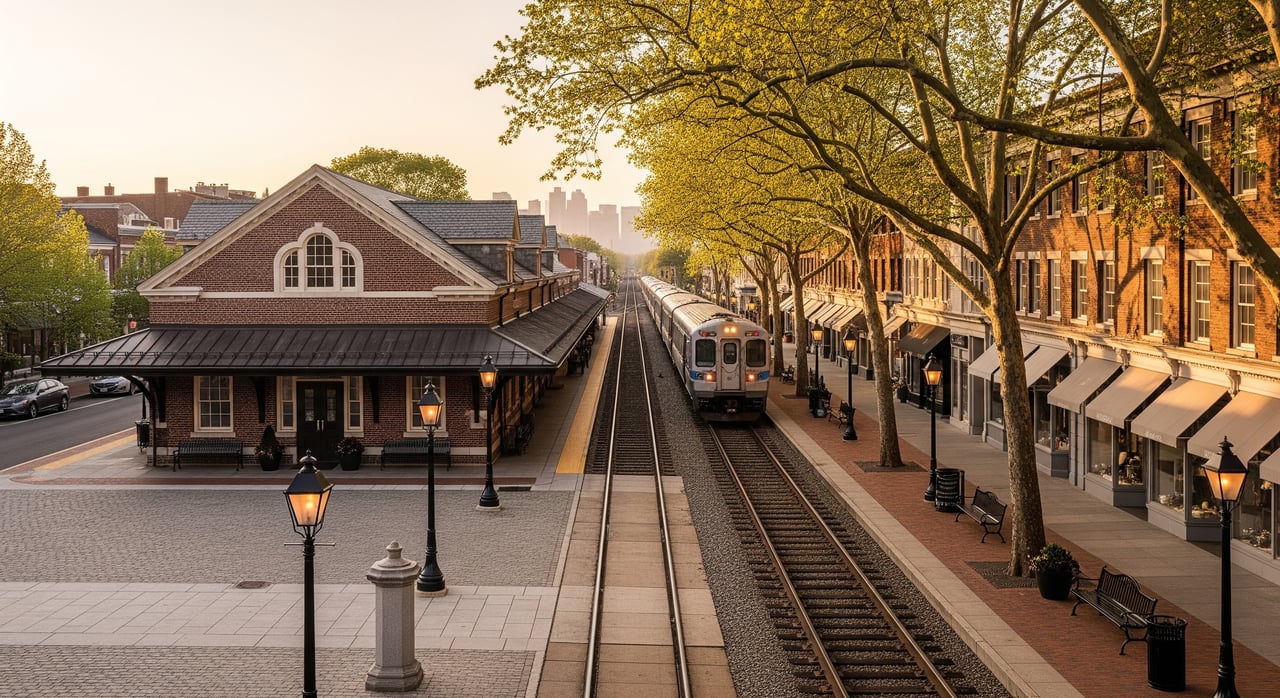
Which town gets you to Manhattan with fewer headaches: Summit or Madison? If your move hinges on a reliable NYC commute, it can be hard to separate neighborly advice from day-to-day reality. You want clear facts about trains, parking, and drive-time tradeoffs so you can pick the place that fits your life. This guide breaks down the commute experience in simple terms and gives you a framework to decide with confidence. Let’s dive in.
Quick decision guide
- Summit: Larger rail hub with more frequent trains and more limited-stop options. Best if you value flexibility, quicker peak rides, and backup choices.
- Madison: Midtown Direct access with a quieter, smaller downtown and strong walkability. Best if you can walk to the station or are comfortable navigating permit parking.
- Drivers: Both towns connect well to the regional highway grid. Your actual drive time depends on your specific address and peak congestion patterns.
Rail service overview
Both Summit and Madison sit on NJ Transit’s Morris & Essex corridor, which includes Midtown Direct trains to New York Penn Station. During many peak and off-peak windows you can board a single-seat ride into Manhattan. Actual schedules, stops, and trip times vary by train and time of day, so always confirm current timetables before you plan your routine.
Typical suburban-to-NYC rides on this corridor commonly fall in the 35 to 60 minute range depending on the train you choose. Express or limited-stop runs cut time versus all-stops locals. Your precise time will depend on when you travel and which service pattern you pick.
Summit rail strengths
Summit functions as a larger rail hub on the corridor. That usually translates into more total trains and more limited-stop or express options that skip intermediate stations. Those patterns can materially reduce peak travel times and give you useful backups if your preferred train is crowded or delayed.
Madison rail strengths
Madison is a full-service station on the same corridor with Midtown Direct access. You will see peak trains that run faster than locals, but fewer express patterns stop here compared with Summit. If you value a smaller downtown and can line up your schedule to the trains you prefer, Madison can work well without sacrificing the single-seat ride to New York.
Transfers and destinations
Some riders connect to Hoboken-bound trains or switch lines at larger stations within the corridor. Always check whether your chosen train runs through to New York Penn Station or requires a transfer at a hub. Planning around a consistent pattern will make your mornings smoother.
Express options and timing
If speed is your top priority, focus on limited-stop and express patterns. In practice, Summit tends to offer more of these faster runs during peak periods. That extra frequency can save time and reduce stress when unexpected delays pop up.
Madison riders can still catch faster trains, especially during busy hours, but you will likely have fewer distinct express choices. If your day is flexible or you work hybrid, that tradeoff may be easy to manage.
A practical tip: consider the weekly value of time saved. Express trains can shave 10 to 20 minutes or more compared with locals. Over a full week, that adds up to meaningful hours reclaimed for family, workouts, or downtime.
Station access and parking
Both stations sit in walkable downtowns with shops and services nearby. Many homes in both towns are within a reasonable walk or bike ride of the platforms, which removes the need for a daily parking hunt.
- Summit: Larger station footprint, higher ridership, and typically more structured parking programs with a mix of permit and daily options. Expect rules for municipal lots and garages, with management systems in place due to demand.
- Madison: Smaller scale with municipal lots and street parking that blend permit and daily spaces. Some permits may have waitlists, and daily options can fill quickly on busy days.
Common variables to verify before you commit:
- Resident and nonresident permit eligibility, costs, and renewal windows
- Waitlist status and average wait times
- Daily parking availability, rates, and payment methods
- Official commuter lots versus private lots with customer-only policies
- ADA access, elevators, and platform shelters
- Bike racks, lockers, and rideshare or local taxi access
- Any park-and-ride shuttle services operated by the municipality or private providers
If a permit is essential for your routine, confirm the current rules directly with each town’s parking office. If you want to skip permits altogether, target homes inside an easy walk to the station.
Driving and highways
Summit and Madison both plug into a dense regional highway network. The best route for you depends on exactly where you live and where you are heading.
Key corridors to know:
- Interstates and major highways: I-78, I-287, the New Jersey Turnpike, and the Garden State Parkway
- Connectors and arterials: Route 24, Route 124, and US-202
If you plan a car-first commute, factor in peak-hour congestion, tolls, and parking at your destination. If you plan to drive to a train or bus, scout park-and-ride lots, private garages, and express bus services that might suit your schedule. Real-world drive times can swing a lot on storm days or after incidents, so build in buffers or alternate routes.
Costs and permits
NJ Transit fares are zone-based, and monthly or weekly passes can reduce your per-trip cost compared to buying individual tickets. Since fares and zone boundaries change periodically, always check the latest fare tables before you budget.
When you compare towns, look at your total monthly commute cost:
- Rail: monthly pass plus any station parking permit or daily fees
- Drive: fuel, tolls, and daily or monthly parking at your destination
- Add-ons: occasional rideshare, bike storage, and the cost of a backup option if a train is canceled
Do not forget the value of your time. If a faster train pattern saves you an hour or more each week, that may be worth paying a bit more in housing or parking to secure walkability or a specific permit.
Decision framework
Use this checklist to match your commute style to the town:
- Fastest and most flexible rail: Choose Summit if you want the largest set of peak express options and more frequent service overall. This is helpful if your mornings are time-sensitive or you need reliable backups.
- Quieter downtown and walkable lifestyle: Choose Madison if you want a smaller, highly walkable center with Midtown Direct access and you are comfortable with fewer express stops and potentially tighter parking.
- Driving first: Base your choice on your actual route to I-78, Route 24, I-287, the Turnpike, or the Parkway. Small differences in local street access can matter more than the town name.
- Hybrid schedules: Review off-peak and weekend rail frequency from your preferred station. If you often travel midday or late, weigh those schedules heavily.
- Household logistics: Map school or childcare drop-offs, visitor parking, and whether a partner needs reliable off-peak transit. Sometimes an easy walk to the station beats a cheaper permit.
- Budget reality: Compare the full housing costs in each town along with commute costs. A faster train will not fix a mismatch between budget and home prices.
How to verify details
- Check current NJ Transit schedules for your exact travel windows, including whether your train is through to New York or requires a transfer.
- Confirm station amenities and accessibility features for Summit and Madison.
- Call or visit municipal parking offices for permit rules, waitlists, and current costs.
- Review weekend and off-peak schedules if your work hours vary.
- Use real-time traffic tools to compare drive routes during your actual commute times.
What this means for your move
If your workday requires the fastest, most frequent rail access into Manhattan, Summit usually delivers more express choices and more total trains. If you want a smaller, quieter downtown with a true single-seat ride to New York, Madison can be a great fit, especially if you can walk to the station or secure a permit.
Both towns offer strong access to the regional highway network, so your driving experience will come down to your specific address and route. Take a test run at your likely commute time, compare two or three train options, and see what feels right for your routine.
Get local guidance you can trust
Choosing between two excellent towns often comes down to small but important differences in train patterns, parking rules, and neighborhood layout. If you want a clear, side-by-side plan tailored to your address, schedule, and budget, reach out to Michael Gabriel for concierge-level guidance across Summit, Madison, and the surrounding Morris and Union County suburbs.
FAQs
How do Summit and Madison trains to NYC compare?
- Both offer Midtown Direct service. Summit typically has more total trains and more limited-stop options, while Madison has fewer express patterns but still provides a single-seat ride.
What are typical train times from these towns?
- On the Morris & Essex corridor, suburban-to-NYC rides commonly range from about 35 to 60 minutes based on train type and time of day. Always confirm current schedules.
Is station parking easier in Summit or Madison?
- Both have municipal permit and daily options. Summit has a larger footprint; Madison is smaller and may have tighter permit availability. Verify current rules and waitlists with each town.
Can I rely on off-peak and weekend trains?
- Service exists in both towns but may be less frequent than peak hours. Check current off-peak and weekend schedules before you finalize your routine.
Which town is better for a driving commute?
- Both connect well to I-78, Route 24, I-287, the Turnpike, and the Parkway. Your actual drive depends on your address and peak congestion, so test your route at commute time.
How should I compare total commute costs?
- Add your NJ Transit pass cost and parking to any rideshare or bike storage fees, then compare to fuel, tolls, and destination parking if you drive. Include the time savings from express trains in your decision.